Your credit report is a snapshot of your financial history and plays a vital role in determining what financial opportunities are available to you. Yet, many people underestimate the importance of regularly checking their credit reports, leaving potential issues unchecked and opportunities untapped.
This article dives into the top reasons why reviewing your credit report regularly is crucial to staying in control of your financial well-being.
What is a Credit Report?
Before we discuss why checking your credit report is so important, understanding what a credit report is will provide the necessary context.
A credit report is a document that contains detailed information about your borrowing and repayment history. It’s compiled by credit bureaus like Experian, Equifax, and TransUnion and is accessed by lenders, landlords, and employers to evaluate your financial responsibility.
Your credit report includes the following information:
- Personal details such as name, address, and Social Security number
- Credit accounts, including loans, credit cards, and payment history
- Public records like bankruptcies or foreclosures
- Hard and soft inquiries made by lenders or financial institutions
With so much crucial information packed into one document, keeping tabs on it is essential.
5 Reasons to Check Your Credit Report Regularly
1. Identify Errors Before They Impact You
Mistakes on credit reports are more common than you may realize. An error as small as a mistyped balance or payment date could negatively affect your credit score. According to the Federal Trade Commission (FTC), 1 in 5 people has an error on at least one of their credit reports.
By reviewing your credit report frequently, you can spot inaccuracies and dispute them with the credit bureau to prevent them from damaging your financial standing.
2. Guard Against Identity Theft and Fraud
One of the most significant risks in today’s digital economy is identity theft. Fraudsters can open accounts in your name, max out credit cards, and even take out loans, all of which will show up on your credit report.
Regular monitoring allows you to catch unauthorized activity early, giving you the chance to report it immediately and minimize damage. Credit monitoring tools can also assist by alerting you to new activity on your report.
3. Understand and Improve Your Credit Score
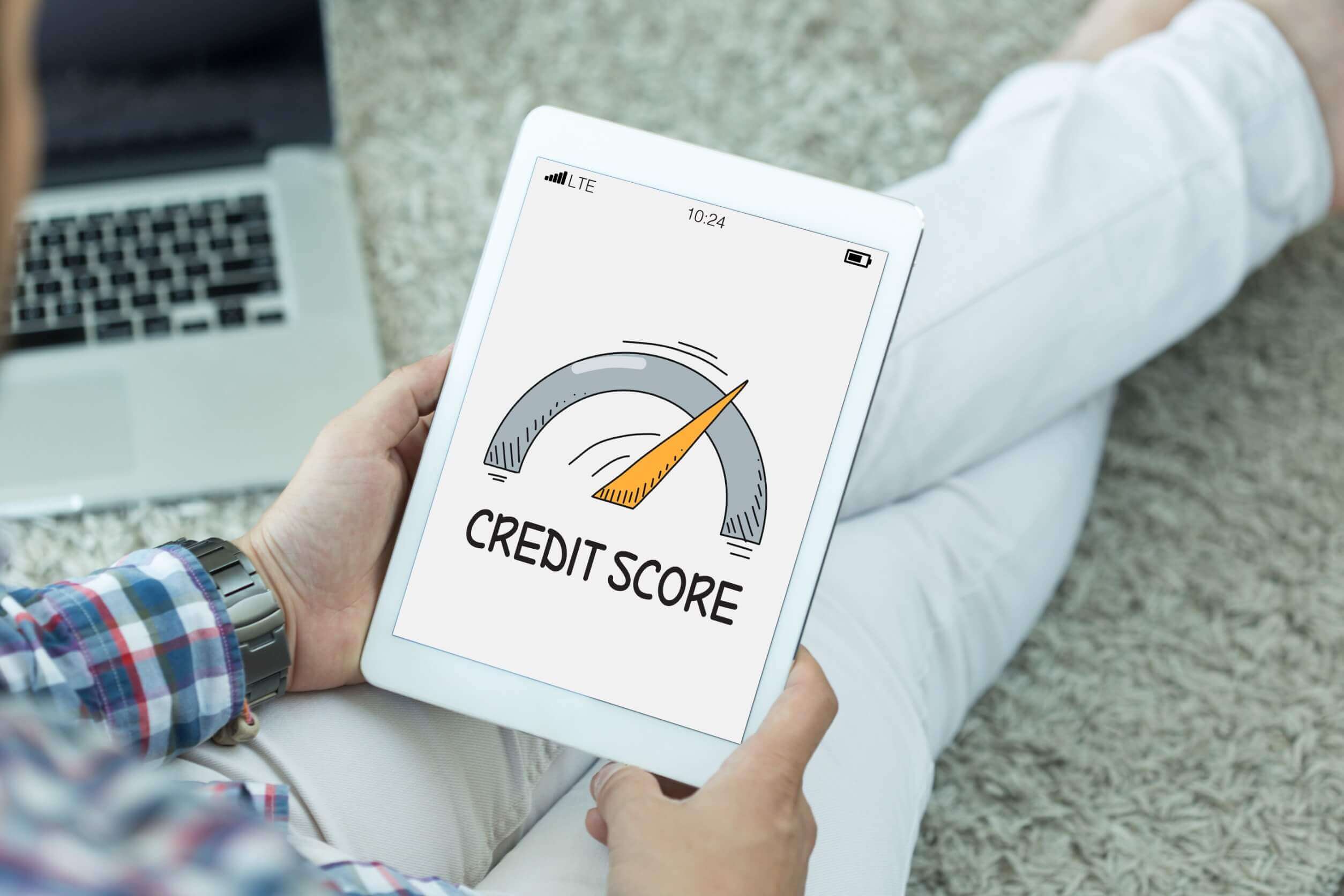
Credit scores are derived from the information in your credit report, and a good score can open doors to better financial options. Regularly checking your credit report allows you to understand the factors that influence your score—such as payment history, credit utilization, and total available credit.
You can identify areas for improvement, such as paying down debt, avoiding late payments, or increasing your credit limit to optimize your score.
4. Prepare for Big Financial Decisions
Purchasing a home, applying for a car loan, or even getting a new job often requires a review of your credit report. By checking it beforehand, you’ll know exactly where you stand and can take proactive measures to address anything that may raise red flags.
Having an accurate and healthy credit report can also secure better interest rates and terms, saving you money in the long run.
5. Stay On Top of Changes Over Time
Your financial situation evolves, and so does your credit report. Maybe you’ve recently paid off debt, opened a new credit card, or finished repaying a loan. These changes will be reflected in your report and can influence your financial strategy moving forward.
Regular reviews ensure that the information on your credit report aligns with your current financial situation, helping you stay organized and prepared.
How Often Should You Check Your Credit Report?
The Fair Credit Reporting Act (FCRA) allows you to get a free copy of your credit report once a year from each of the three major credit bureaus through AnnualCreditReport.com. This means you can check your credit report for free every four months by rotating between the bureaus.
However, in certain circumstances, such as if you’re actively working to improve your credit or suspect fraud, you may want to consider additional paid credit monitoring services for more frequent updates.
What to Do If You Spot an Issue on Your Credit Report
If reviewing your credit report reveals any inaccuracies or issues, take the following steps immediately:
- Highlight the Errors – Clearly document the discrepancies to ensure nothing is overlooked.
- Contact the Credit Bureau – File a dispute with the credit bureau that issued the report. Many credit bureaus allow disputes to be submitted online for convenience.
- Notify the Creditor – Contact the creditor or lender associated with the error. They may be able to quickly rectify the issue.
- Keep Records – Save all correspondence and evidence related to the dispute for your records.
Most credit bureaus are required to investigate disputes within 30 days and will notify you of the resolution.
Save Time and Boost Your Financial Health
Checking your credit report may sound tedious, but it is one of the simplest ways to protect your financial health. Think of it as a routine check-up for your finances—spot issues early, ensure your records are accurate, and build a stronger financial future.
Whether you’re focused on improving your credit score, securing better financial opportunities, or protecting yourself from fraud, making this habit part of your routine will pay off in significant ways.
Start showing your credit report the attention it deserves today. Your financial future will thank you.
Find the Best Financial Solutions With Liquid Loans!
Apply for no-credit-check loans in Utah and get instant approval with Liquid Loans, offering quick loans in Salt Lake City. Our range of financial solutions is designed to fit each individual’s unique situation and requirements.
Enjoy lower monthly payments and financial peace with our personalized loan options including personal loans with no credit checks, installment loans, and signature loans online.
Apply for a loan and make your finances work better for you. Act now for a brighter, debt-free financial future!