Understanding the different types of credit is crucial for financial health. Whether you’re planning to buy a home, or a car, or simply manage daily expenses, knowing the distinction between revolving and installment credit can make a significant impact.
This blog post aims to shed light on these two credit types, their applications, and their benefits and drawbacks.
By the end of this article, you’ll be equipped with the knowledge needed to make informed decisions about your financial future.
What is Revolving Credit?
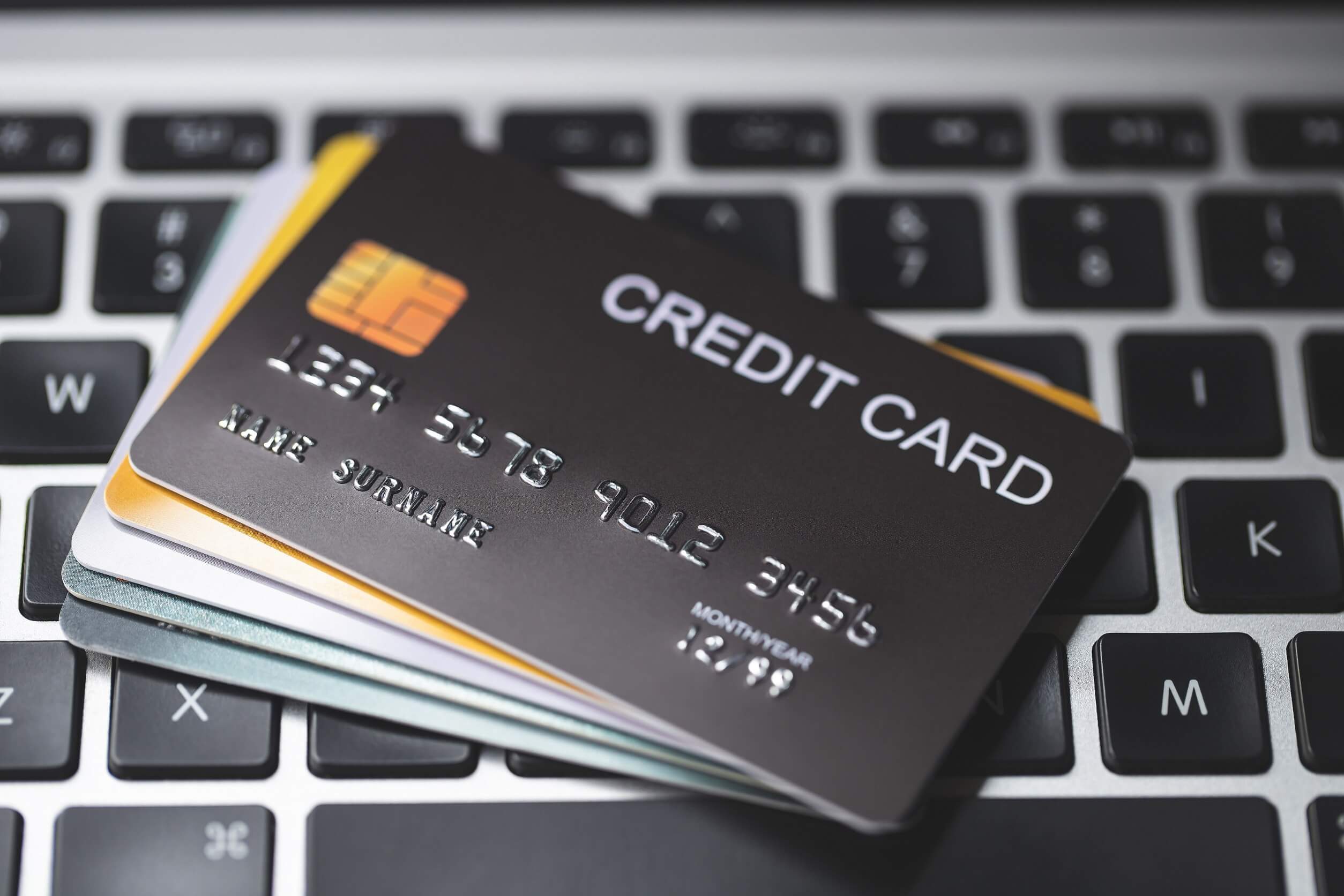
Revolving credit is a type of credit that allows you to borrow up to a certain limit and repay it over time, often with a minimum monthly payment. The most common example of revolving credit is a credit card.
How Revolving Credit Works
When you use a credit card, you are borrowing money from the credit card issuer. You have a set limit, known as the credit limit, and you can spend up to that amount. Each month, you’re required to make a minimum payment, but you can also pay off the entire balance if you choose. Any unpaid balance carries over to the next month, accruing interest.
Benefits of Revolving Credit
One of the biggest advantages of revolving credit is its flexibility. You can use it for various purchases and repay at your own pace. This makes it ideal for managing everyday expenses and unexpected costs. Additionally, responsible use of revolving credit can improve your credit score over time.
Drawbacks of Revolving Credit
However, revolving credit can be a double-edged sword. High interest rates and the temptation to overspend can lead to financial trouble. If not managed properly, it can result in a cycle of debt that is difficult to escape.
What is Installment Credit?
Installment credit, on the other hand, involves borrowing a fixed amount of money and repaying it in equal installments over a specified period. Common examples include mortgages, auto loans, and personal loans.
How Installment Credit Works
With installment credit, you receive a lump sum of money upfront and agree to repay it in fixed monthly payments over a set period. The interest rate is usually fixed, meaning your monthly payments remain the same throughout the loan term. This predictability can make budgeting easier.
Benefits of Installment Credit
The main advantage of installment credit is its stability. Fixed payments and a clear repayment schedule help you plan your finances effectively. Additionally, installment loans typically have lower interest rates compared to revolving credit, making them more cost-effective in the long run.
Drawbacks of Installment Credit
However, installment credit is less flexible. Once you take out a loan, you’re committed to the monthly payments until it’s paid off. Early repayment can sometimes incur penalties, and missing payments can negatively affect your credit score.
Comparing Revolving and Installment Credit
Understanding the differences between revolving and installment credit is key to managing your finances effectively. Let’s compare the two on several important factors.
Flexibility
Revolving credit offers more flexibility than installment credit. You can borrow as little or as much as you need, up to your credit limit, and repay it at your own pace. Installment credit, however, involves fixed loan amounts and repayment schedules.
Interest Rates
Interest rates for revolving credit are generally higher than those for installment credit. Credit cards, for example, often have interest rates above 15%, while installment loans like mortgages and auto loans usually have lower rates.
Impact on Credit Score
Both types of credit can positively impact your credit score when used responsibly. However, revolving credit can improve your score faster due to its flexible nature, allowing for more frequent updates to your credit report. Installment credit, on the other hand, shows lenders that you can manage long-term debt effectively.
When to Use Revolving Credit
Revolving credit is best suited for managing short-term expenses and building credit. Here are some scenarios where it can be particularly useful:
Everyday Purchases
Using a credit card for everyday purchases like groceries, gas, and dining out can be convenient. Just make sure to pay off the balance each month to avoid interest charges.
Emergency Expenses
Revolving credit can be a lifesaver in emergencies. Whether it’s a car repair or a medical bill, having access to credit can provide peace of mind when unexpected expenses arise.
Building Credit
If you’re looking to build or improve your credit score, responsible use of a credit card can help. Make small purchases and pay off the balance each month to demonstrate good credit habits.
When to Use Installment Credit
Installment credit is ideal for larger, long-term purchases where stability is essential. Here are some situations where installment credit shines:
Buying a Home
A mortgage is a common form of installment credit used to purchase a home. The fixed monthly payments make it easier to budget and plan for the future.
Purchasing a Vehicle
Auto loans are another type of installment credit. Whether you’re buying a new or used car, an auto loan allows you to spread the cost over several years, making the purchase more affordable.
Financing Education
Student loans are installment loans that can help cover the cost of higher education. With fixed interest rates and repayment terms, student loans provide the stability needed to focus on your studies.
Managing Both Types of Credit
Balancing revolving and installment credit can be challenging but is essential for financial health. Here are some tips to help you manage both effectively:
Budgeting
Create a budget that accounts for both types of credit. Allocate funds for your monthly credit card payments and your installment loan payments to ensure you stay on track.
Monitoring Your Credit
Regularly check your credit report to keep track of your revolving and installment credit accounts. This will help you identify any issues early and take corrective action if needed.
Maintaining Low Balances
For revolving credit, aim to keep your balances low relative to your credit limit. This not only helps avoid high-interest charges but also positively impacts your credit score.
Conclusion
Choosing between revolving and installment credit depends on your financial goals and needs. Understanding the differences and benefits of each can help you make informed decisions and manage your finances effectively. Whether you’re using a credit card for everyday purchases or taking out a loan for a major investment, responsible credit use is key to financial success.
Ready to Lighten Your Load With Liquid Loans?
Apply for no-credit-check loans in Utah and get instant approval with Liquid Loans, offering quick loans in Salt Lake City. Our range of financial solutions is designed to fit each individual’s unique situation and requirements.
Enjoy lower monthly payments and financial peace with personalized loan options including personal loans with no credit checks, installment loans, and signature loans. Apply for a loan and make your finances work better for you. Act now for a brighter, debt-free financial future!